Operational Excellence

Demonstrating our commitment to sustainability by embedding it throughout all areas of our operations.
We are committed to minimizing the environmental impact of our operations by aligning with leading standards and frameworks to reduce emissions and conserve resources. At the same time, we prioritize the health and safety of every team member, guided by our company-wide goal to be injury free.
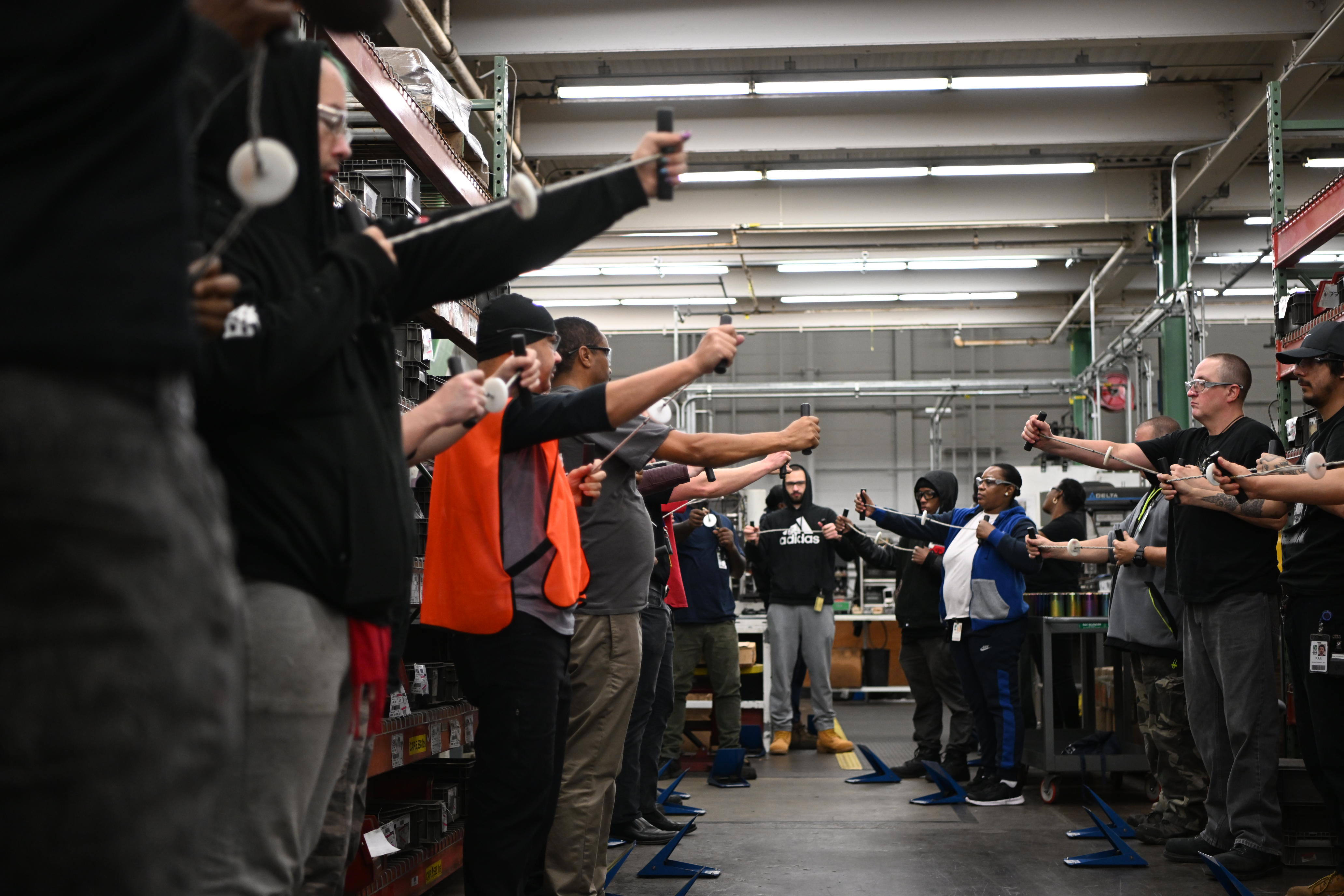
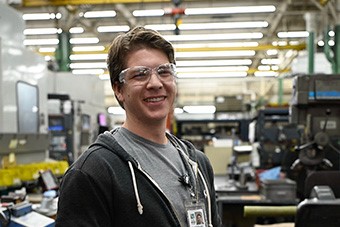
Team Member Health and Safety
Safety is a shared responsibility reinforced through each team member's commitment to our safety vision - all incidents are preventable. We empower team members to speak up, guided by the principle, "If you see something, say something and, most importantly, DO something."
Total Case Incident Rate
Days Away, Restricted, or Transferred Rate
2Industry averages sourced from U.S. Department of Labor North American Industry Classification System (NAICS) statistics.

Emissions Reduction
S&C mitigates the environmental impact of our operations on the environment through our comprehensive environmental sustainability program, which includes our stated commitment to achieving net zero greenhouse gas (GHG) emissions by 2050. We referenced the Science Based Targets initiative best practices in setting our targets and used the United Nations Sustainable Development Goals framework to develop our strategy. We are pursuing activities associated with Scopes 1, 2, and 3 emissions reductions.
Global GHG Emissions
1Baseline for Scopes 1 and 2 based on 2014 data.
2Baseline for Scope 3 based on 2024 data.
Energy Efficiency
Energy efficiency is a key component of our decarbonization strategy and our commitment to reducing our environmental footprint. We reduce our emissions through capital improvement projects to drive efficiency, including automation systems, LED lighting, equipment upgrades, green building practices, and electric vehicles (EVs) and charging stations.
Global Electricity Usage Intensity
Waste Management and Diversion
Responsible waste management practices are critical to support our goal to meet and maintain a 99 percent landfill-free status at all global manufacturing sites year over year. Our waste management program focuses on prevention, reuse, recycling, and recovery initiatives, including composting. Our business model is designed to enable a circular economy by reducing waste in operations and optimizing end products for recyclability.
Global Waste Diverted from Landfills
2025 Global Waste Disposal
Air Quality
We manage our emissions of volatile organic compounds (VOCs) and hazardous air pollutants (HAPs) as required by the Clean Air Act and regulated by the U.S. EPA. We have reduced our VOC and HAP emissions in the U.S. by 97 percent and 99 percent, respectively, since the 1990s, thanks to investments in new technology and process improvements. Today’s emissions are well below our compliance requirements and remain negligible.
Water Conservation
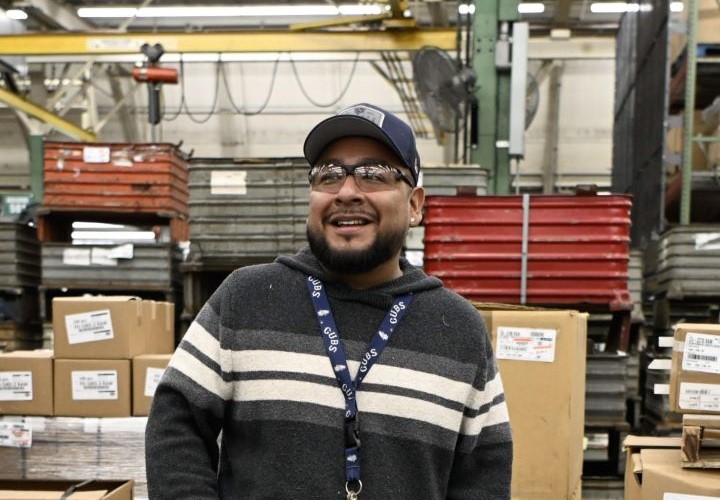
We leverage lean manufacturing practices, facility upgrades, shared best practices, and conservation efforts to reduce our water consumption. To reduce our water consumption, we use the following measures at our sites:
- Closed-loop cooling systems, including cooling towers, a dry cooler system, and an evaporative fluid cooler
- Cleaning and inspection enhancements
- Recirculation and recycling processes in operations processes
- Low-flow devices on faucets and bathroom fixtures
Global Water Usage Intensity
Supply-Chain Management
We partner with suppliers who share our commitment to reliability, integrity, and responsible business practices. Our Supplier Code of Conduct, which is embedded in our contracts with suppliers, sets clear expectations for environmental compliance, human rights, diversity and inclusion, and continuous improvement. We prioritize suppliers that align with these standards and actively work to reduce their environmental impact across the value chain.
Sustainability in Action
Operational Excellence
April 07, 2026
Operational Excellence
May 27, 2025

Operational Excellence
September 23, 2016